
What is the difference between a Will and Trust? And why do I need one or the other? This is the most frequently asked question I get from clients and potential clients. The short answer is – you need both, because they do two different things for a comprehensive estate plan.
Wills: Your Last Testimony
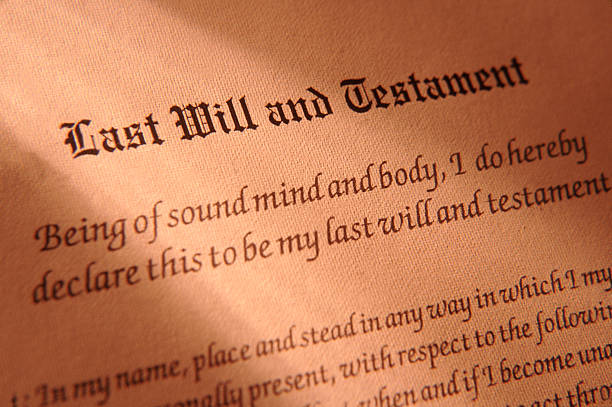 A will (i.e. a Last Will and Testament) is a legal document that tells both your beneficiaries and the government in the state you live in how your assets are going to be distributed after your death. In other words, a Will is a letter to a judge that says – these are the people who get my stuff, and how much of your stuff they are supposed to get.
Another way you can look at it is a Will is an instructional document for a judge to read and approve in Probate Court. Probate Court is where your stuff, known as your estate, is distributed by the government after you die. And a will is your “testimony” after death for the judge to use in that courtroom to properly distribute your things according to your wishes. Everyone who dies, who owns anything of any kind must go through probate court after they die.
If you die without a will the probate court judge will determine how your things are distributed using a state statute. So it is always better to have a will than not, so your testimony exists for the judge after you are dead.
In most cases, Probate court takes about 9 to 12 months or longer to distribute your property, and your beneficiaries have to wait that entire time before they receive their inheritance. And this is one of the reasons Living Trusts exist – because a Living Trust creates a means of distributing your property to beneficiaries without Probate court involvement.
Living Trusts: Instructions to Carry Out your Wishes
 You can think of a Living Trust like a contract that creates a treasure chest. This treasure chest is going to hold all your assets while you are alive and after your death. The Living Trust gives a trusted person (the Trustee) a key to this treasure chest, and a set of instructions, so they can distribute all of your assets after you die according to your specific wishes. This allows you to bypass the Probate Court, because you no longer need a judge to distribute your things – because your Living Trust does this for you.
This means it will only take a few weeks to 2 months for your assets to be distributed by your appointed trusted person to your beneficiaries. Everything will be all laid out, and no one will have to go to court or hire an attorney after you die – saving your estate and beneficiaries time, energy and money.
In summary – a Will is final testimony to a judge so a court can distribute your property when you die. A Living Trust is a contract document that appoints a person you know and trust to distribute your things so you do not need the courts involvement.
Two Important Parts of a Complete Estate Plan
Even though the purpose of these two documents is different. You want both a Will and a Living Trust as part of a comprehensive estate plan. The Living Trust ensures your beneficiaries do not have to wait to receive their inheritance, or have to hire a lawyer or deal with a confusing court system after you die. Your Will exists as a “just in case” so your testimony exists after death to tell the judge that you want the Living Trust to control distribution of your assets.
Working with an experienced estate planning attorney will help you create this comprehensive estate plan. Book a call today using the button below.